About
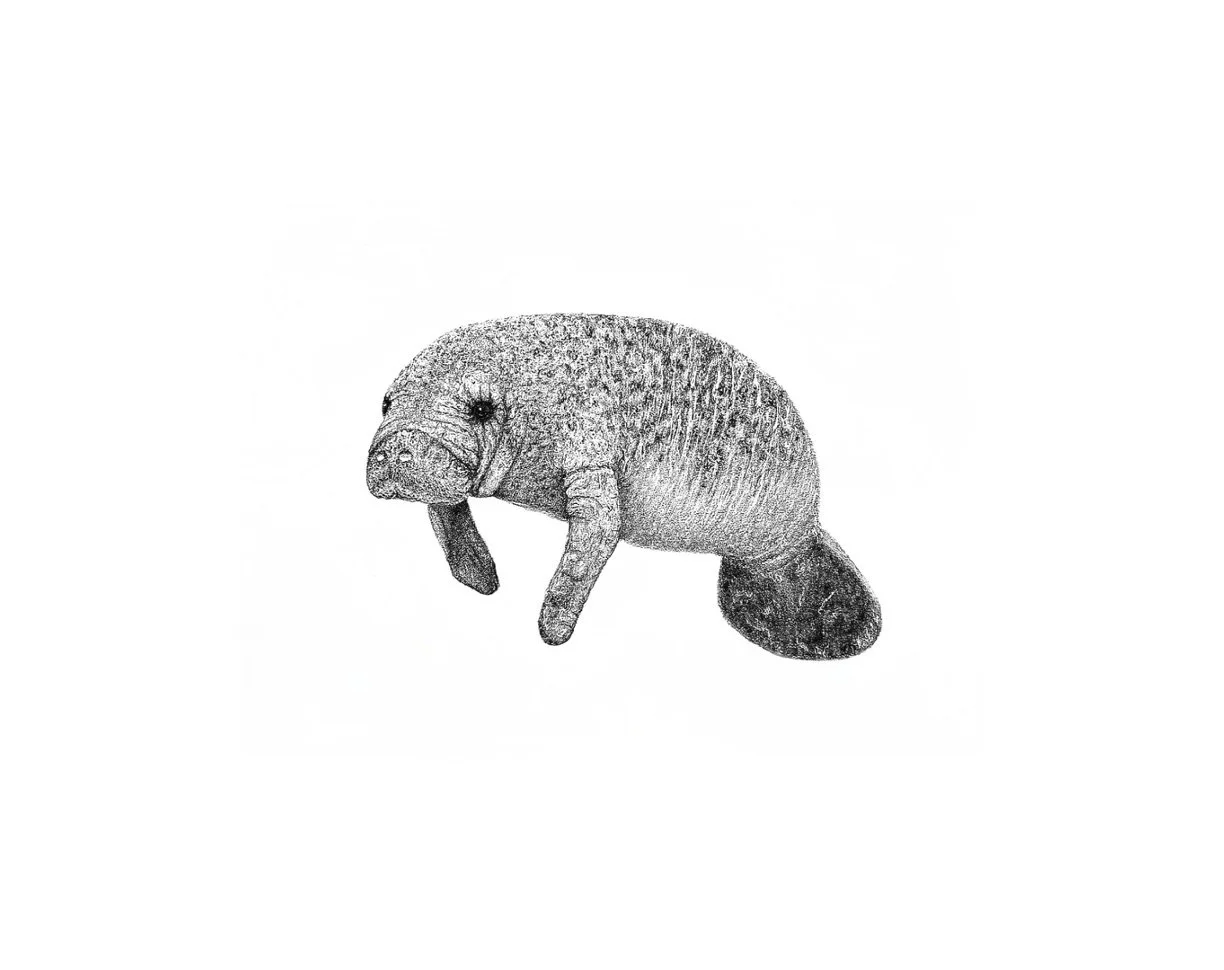
The West Indian Manatee is a vulnerable marine mammal found throughout the warm coastal waters, rivers, and wetlands of the southeastern United States, the Caribbean, and parts of Central and South America. Its populations are threatened by boat strikes, habitat loss, pollution, entanglement in fishing gear, and changes in water temperature and freshwater habitats.
Manatees are herbivores that feed primarily on aquatic vegetation, helping shape plant communities and cycle nutrients through the waterways they inhabit. Their grazing can also create openings in dense aquatic vegetation, benefiting other organisms that share these habitats.
As an important part of coastal and freshwater ecosystems, protecting the West Indian Manatee also helps safeguard the rivers, springs, wetlands, and coastal waters that support countless other species.